
Dive into the thrilling universe of online poker tournaments, where fortunes can be won and dreams realized with every well-calculated hand. Online poker tournaments present a unique blend of skill, strategy, and gut feeling, offering lucrative opportunities for those prepared to engage in it in a strategic way. This isn’t a game of chance; it’s a battlefield of minds, where the prepared survive and the reckless are left behind.
With years of experience navigating the complexities of online poker and achieving consistent success in tournaments of all sizes, the goal is to share the insights and strategies that have consistently yielded results. This isn’t about promising overnight riches; it’s about providing a realistic roadmap to consistent wins.
The online poker landscape is full of sharks. To succeed in the long run, strategic game play is essential. This guide will reveal the techniques that separate the winners from the rest, assuring that by the end, you’ll be equipped with the knowledge and abilities to not only compete but dominate. So, shuffle up and get ready to turn your poker aspirations into tangible achievements.
Understanding Tournament Fundamentals
Online poker tournaments are competitions where players pay an entry fee for a chance to win a portion of a prize pool. The allure lies in the potential for a high return on investment, transforming a small buy-in into a substantial payout.
A crucial element of any poker tournament structure is the format. Freezeouts, for example, eliminate players once they exhaust their chips, while rebuy tournaments allow players to purchase more chips within a set time frame. Bounty tournaments add another layer, awarding cash prizes for each player eliminated.
Blind levels dictate the pace of play. They increase at predetermined intervals, forcing players to accumulate chips or risk being blinded out. Starting stack sizes, relative to the blinds, determine the initial effective stack, influencing pre-flop strategy and risk assessment. A deep stack allows for more speculative play, while a short stack demands tighter ranges and aggressive moves.
The payout structure distributes the prize pool among the top finishers. A typical structure awards a larger percentage to the final table, with the winner receiving the lion’s share. Understanding this distribution is key for making decisions in later stages, particularly when considering chip accumulation versus survival.
Finally, the rake is the fee charged by the poker site for hosting the tournament. It’s a percentage of the buy-in and is factored into the prize pool calculation. While it doesn’t directly affect gameplay, it’s good to understand what percentage of the total investment is accounted for fees.
Early Stage Strategy
The early stage of a poker tournament is all about laying the groundwork for a deep run. Think of it as building a solid foundation for a skyscraper – you wouldn’t start constructing the penthouse first, would you? A crucial element of a sound early stage poker strategy is adopting a tight-aggressive (TAG) style. This means primarily playing premium hands like high pairs (AA, KK, QQ, JJ), Ace-King, and Ace-Queen, especially from early positions.
Why this approach? Because in the early stages, the blinds are relatively low, and taking unnecessary risks with marginal hands can quickly deplete your stack. Playing tight allows you to conserve chips, avoid tricky situations, and, most importantly, gather invaluable information about your opponents.
Positional awareness is also critical. Acting after your opponents gives you a significant advantage. You get to see their actions before making your own, allowing for more informed decisions. For instance, if several players limp into the pot before you in middle position, you might consider raising with a wider range of hands to isolate a weaker player and build a bigger pot. Conversely, if you’re in early position, stick to those premium hands to avoid getting into trouble later in the hand.
Information gathering is perhaps the most underrated aspect of the early stages. Pay close attention to how your opponents are playing. Are they loose and aggressive, raising frequently? Or are they tight and passive, only entering the pot with strong hands? Do they limp often? These observations will be invaluable as the tournament progresses and the stakes get higher.
The Power of Observation
One of the most powerful tools in a poker player’s arsenal is the ability to observe and interpret their opponents’ actions. This goes beyond simply noting which hands they play; it’s about identifying betting patterns, tendencies, and even subtle tells that can reveal the strength of their hand.
Over time, you’ll start to notice patterns. Does a particular player always bet big when they have the nuts? Or do they try to disguise their strong hands with small bets? Do they hesitate before betting with a bluff? These observations, when combined with your understanding of game theory and positional awareness, can give you a significant edge. Remember, poker is a game of information, and the more you can gather, the better your chances of success.
Mastering Poker Psychology
Poker isn’t solely about cards; it’s a battle of minds. Mastering poker psychology involves understanding and controlling your emotions, reading your opponents, and projecting a calculated image. One of the biggest obstacles is “tilt,” the emotional state where frustration leads to bad decisions. Recognizing tilt early is crucial. Common signs include playing more aggressively, chasing losses, or deviating from your standard strategy. To regain control, step away from the table, take deep breaths, or remind yourself of your pre-game plan.
Reading opponents is a crucial skill, even in online poker. While physical tells are absent, betting patterns, timing, and chat box activity offer clues. A hesitant bet might indicate weakness, while an instant call could signify a strong hand or a bluff. Observing these patterns over time helps you categorize players and anticipate their actions. Projecting a winning table image is another powerful tool. Even if you’re card-dead, maintain a confident posture and measured betting style. This can influence opponents to second-guess their decisions, particularly when bluffing.
Bluffing is an art, but it needs to be deployed strategically to be effective. A good bluff involves assessing your opponent’s tendencies and the board texture. Bad bluffs are born out of desperation or tilt, where erratic behavior lacks purpose and becomes easily readable by savvy players. The best bluffs are chosen spot when you think that you have the best chance to make the opponent fold. For example, imagine a tight-aggressive player suddenly making a large bet after losing several hands. An observant opponent might correctly deduce they are tilting and exploit their predictable aggression with a well-timed call. This is the essence of poker psychology: using your opponent’s mental state to your advantage.

Middle Stage Strategy
The middle stage of a poker tournament is a dynamic landscape. Players need to adapt their strategy based on several factors to thrive and accumulate chips. Mastering these adjustments is crucial for navigating this pivotal phase and positioning yourself for a deep run.
Stack Size Considerations: The size of your stack relative to the blinds dictates your options. If you have a short stack, aggressive all-in moves targeting steal opportunities are preferred. A medium stack provides more maneuvering room, allowing for strategic bets and raises. With a large stack, you can exert pressure on opponents with smaller stacks, using your chip advantage to control the pot and force folds.
Table Image and Perception: Your table image—how your opponents perceive you—plays a significant role. A tight image may induce opponents to fold more easily. A loose and aggressive image leads to others calling your bluffs more often. Use this knowledge. If you’ve been playing tight, consider a well-timed bluff. If you’ve been aggressive, leverage that image to get value from your strong hands.
Opponent Profiling and Exploitation: Identifying opponent tendencies is key to maximizing your profits. Weak players tend to play passively and fold easily. Target their blinds with steal attempts. Against aggressive players, tighten up your range and look for opportunities to exploit their over-aggression. Observe their betting patterns. When you recognize their tells, you will be able to get more chips from them.
Pot Control: Master the art of pot control to avoid over-committing to marginal hands. Against aggressive opponents, use smaller bet sizes to keep the pot manageable. Against passive players, increase your bet sizes to extract maximum value from your strong holdings. Remember, pot control gives you the flexibility to fold without significant loss.
Late Stage/Bubble Strategy
The late stage of a tournament, especially the bubble, is a unique environment where survival trumps everything else. Understanding bubble dynamics and implementing a solid Independent Chip Model (ICM) strategy is crucial for maximizing your chances of cashing and setting yourself up for a deep run.
The bubble refers to the period just before the payouts begin. Players on the bubble are often playing tighter, fearful of being eliminated before making the money. This creates opportunities for aggressive players with larger stacks to apply pressure and accumulate chips. A key element is targeting short stacks. These players are most vulnerable, as their primary goal is simply to survive. By isolating and putting them to the test, you can often force them to fold, adding valuable chips to your stack without a significant risk of elimination. However, be mindful of your own stack size and position. Avoid unnecessary risks, especially against opponents with similar or larger stacks, as a single mistake can be devastating.
Successful bubble play involves a delicate balance of aggression and caution. It’s about identifying the players who are most afraid of busting and exploiting their fear. Remember, chip accumulation on the bubble is not always about winning big pots; it’s often about consistently chipping away at the weaker players, building your stack incrementally, and ensuring you make it into the money with a healthy chip lead.
Final Table Strategy: From Survival to Domination
The final table is where fortunes are made, and survival instincts must evolve into aggressive dominance. The name of the game shifts to hyper-aggressive play, built on calculated risks and relentless pressure. This isn’t about waiting for the nuts; it’s about stealing blinds, re-stealing light, and forcing opponents into tough decisions. Chip accumulation becomes the sole focus, as a large stack allows you to control the table and dictate the pace of play.
Identifying and exploiting weaker players is crucial. Target those who are playing too passively or are visibly intimidated by the stakes. Isolate them, put them to the test, and relentlessly attack their blinds. Keep in mind that even one or two weak players can drastically increase your chances of victory.
Heads-up play demands a completely different skill set. It’s a game of relentless aggression, psychological warfare, and rapid adaptation. Master the art of bluffing, value betting, and reading your opponent’s tendencies. Adjust your strategy based on their style – whether they are tight and passive or loose and aggressive. Negotiating deals can be a smart move, especially when ICM (Independent Chip Model) considerations come into play. Understanding ICM can help you assess the true value of your chip stack and make informed decisions about potential chop agreements.
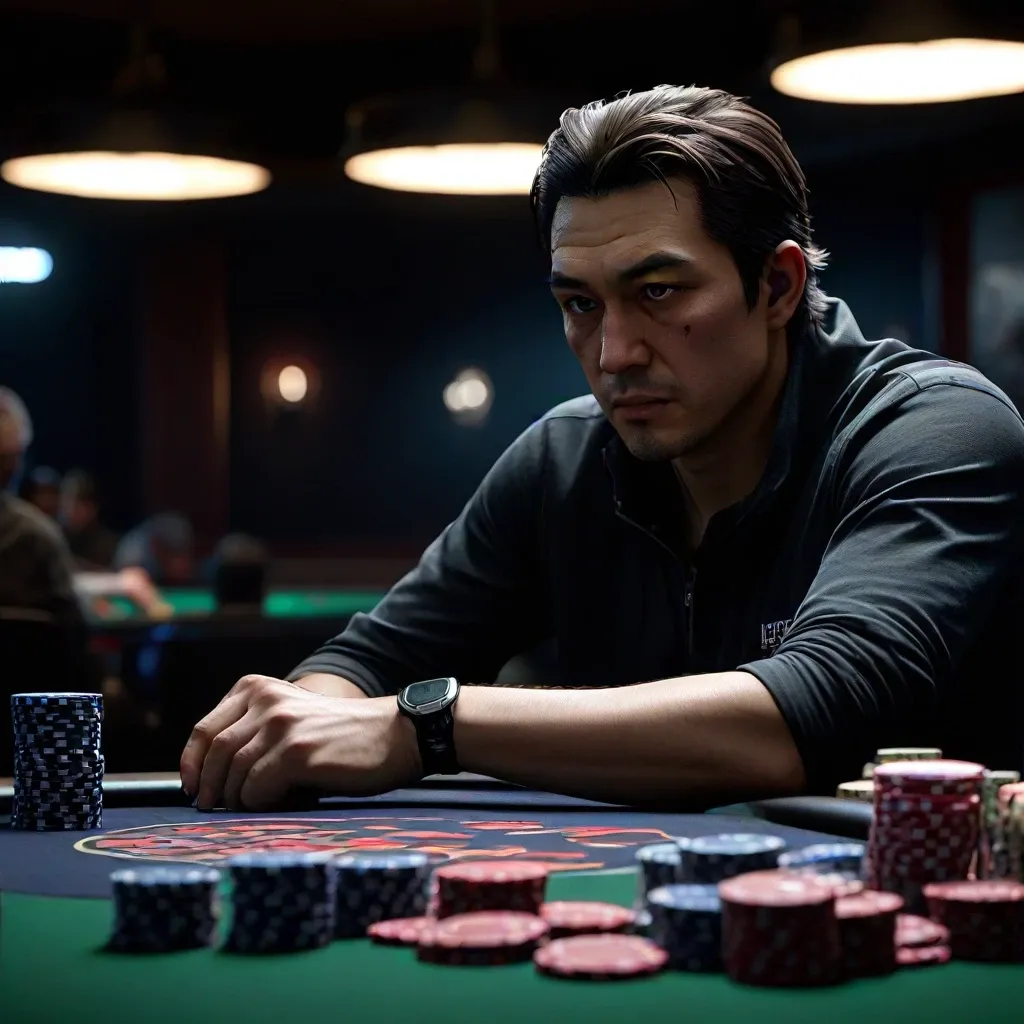
From personal experience, the final table is a pressure cooker. The adrenaline is pumping, the lights are glaring, and the stakes are incredibly high. Staying calm, focused, and adaptable is essential. Don’t be afraid to take risks, but always do so with a clear understanding of the potential consequences. Remember, the final table is where legends are made. Take your shot and play to win.
Pre-Tournament Preparation
Success in poker tournaments extends far beyond the felt. Smart poker begins long before the first card is dealt, with careful planning in three critical areas: bankroll management, game selection, and cultivating a winning mindset.
Bankroll Management: Think of your bankroll as your business capital. Protecting it is paramount. A general guideline is to have at least 100 buy-ins for the stakes you’re playing. This cushions the inevitable downswings and allows you to play without fear of ruin. Don’t jump to higher stakes until your bankroll comfortably supports it.
Game Selection: Not all tournaments are created equal. Look for tournaments with structures that suit your playing style. Consider the field size and the skill level of the opponents. Softer fields offer a higher probability of cashing. Use filters to narrow down games where you have an edge.
Mindset: Poker is a mental game. A positive and focused mindset is essential. Before you play, ensure you are well-rested and free from distractions. Accept that variance is part of the game, and losses are inevitable. Focus on making the right decisions, and the results will follow. Risk management involves knowing when to reduce stakes, take breaks, or even stop playing altogether if you’re not in the right frame of mind. This discipline is key to long-term success.
Tools and Software for Success
To truly excel at poker, leveraging the right tools and software is essential. Several options are available to help players analyze their hands, track their progress, and ultimately, make more informed decisions at the table. This can include poker software designed for in-depth hand analysis, allowing players to dissect their gameplay and identify areas for improvement. Tracking software is also invaluable, providing detailed statistics on performance over time, revealing strengths and weaknesses. Heads-up displays (HUDs) offer real-time information on opponents, giving players an edge by displaying tendencies and patterns. Beyond software, numerous poker training sites and resources offer invaluable learning opportunities, ranging from basic strategy to advanced tactics, ensuring continuous improvement and adaptation in the ever-evolving world of poker.
Continuous Improvement
The quest for poker mastery is never truly complete. Even seasoned pros understand that continuous improvement is vital in this dynamic game. Regularly engaging in poker study, whether it’s analyzing new strategies or delving into game theory, will sharpen your edge. Don’t underestimate the power of hand review – meticulously dissecting your past plays can reveal leaks you never knew existed. Actively participate in poker forums; the collective knowledge and diverse perspectives can be invaluable. Seeking coaching from experienced players can also provide personalized guidance and accelerate your growth. Finally, remember that poker trends evolve. Strategy adaptation is paramount. By constantly learning, reviewing, and adjusting, you’ll ensure your game remains sharp and competitive.
Conclusion
In the dynamic arena of online poker tournaments, a strategic edge separates consistent winners from the rest. Mastering the fundamentals, understanding bankroll management, and exploiting opponents’ weaknesses are crucial for long-term success. Embracing tools, continuously analyzing performance, and adapting to the ever-changing landscape are essential components of a winning poker strategy.
The journey to becoming a successful poker player requires dedication, continuous learning, and a willingness to adapt. Implement these expert poker tips, track your progress, and refine your approach as you gain experience. With unwavering commitment and a strategic mindset, consistent wins and lasting success in online poker tournaments are within reach.